01
Quality
The supply is UL Listed — certified against a file number, not a claim printed on a box. The adapters draw inside a USB 2.0 port's 500 mA, so populating several on one hub does not pull the rail down.
USB wireless & power
Two USB adapters and a power supply, for boards that have to stay up: fixed specifications, in-kernel Linux drivers, and a UL-listed supply that holds 5 V under load.
Three things we hold fixed, and what each one means on the bench.
01
The supply is UL Listed — certified against a file number, not a claim printed on a box. The adapters draw inside a USB 2.0 port's 500 mA, so populating several on one hub does not pull the rail down.
02
Adapters are tested against the supply that powers them, which is why the documentation names one rather than leaving it to chance. Both run on current Linux LTS kernels and official Libre Computer images.
03
A model number fixes one radio specification, so a unit bought later is the unit you qualified. In-kernel drivers mean nothing to rebuild when the OS updates.
Both sit on the kernel's own mac80211 / cfg80211 stack, so in-kernel wireless management works normally — no vendor tool, no out-of-tree module to rebuild every kernel upgrade.
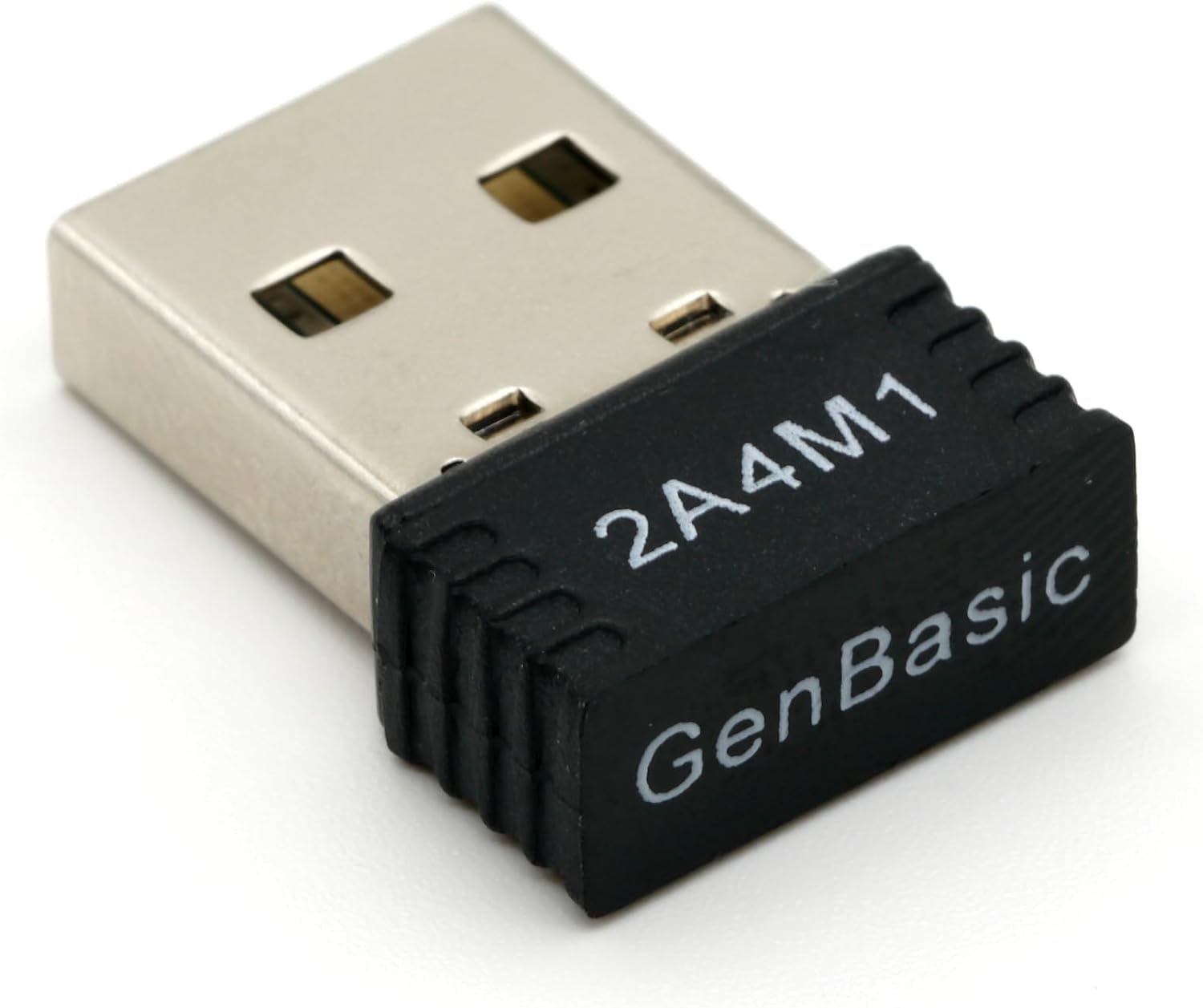
RF 2A4M1
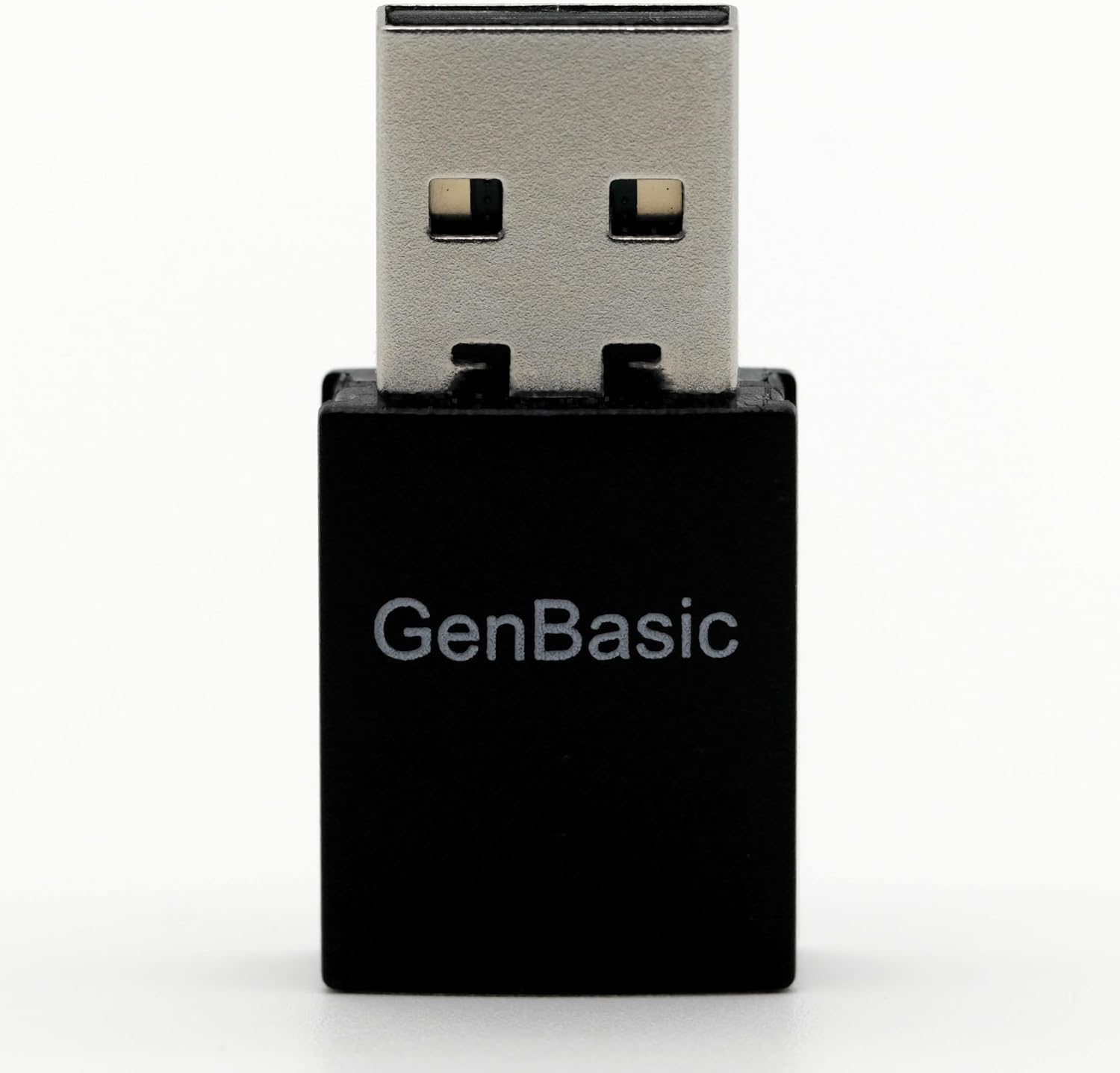
RF 2A5R1B4
| Adapter | Bands | Standard | Max rate | Bluetooth | Size |
|---|---|---|---|---|---|
| RF 2A4M1 | 2.4 GHz | 802.11b/g/n | 150 Mbps | — | 19 × 14 × 5 mm |
| RF 2A5R1B4 | 2.4 + 5 GHz | 802.11ac/b/g/n | 433 Mbps | 4.2 | 33 × 15 × 8 mm |
Rates are PHY rates and need an access point advertising the wider channel — 40 MHz for 150 Mbps, 80 MHz for 433 Mbps. On 20 MHz the Wi-Fi 4 adapter tops out at 72.2 Mbps. Real throughput tracks signal to noise and runs near 75% of PHY rate in a quiet environment at 10 m.
Most "flaky USB" on a single-board computer is a power problem wearing a disguise. This is the supply the adapters are tested against.
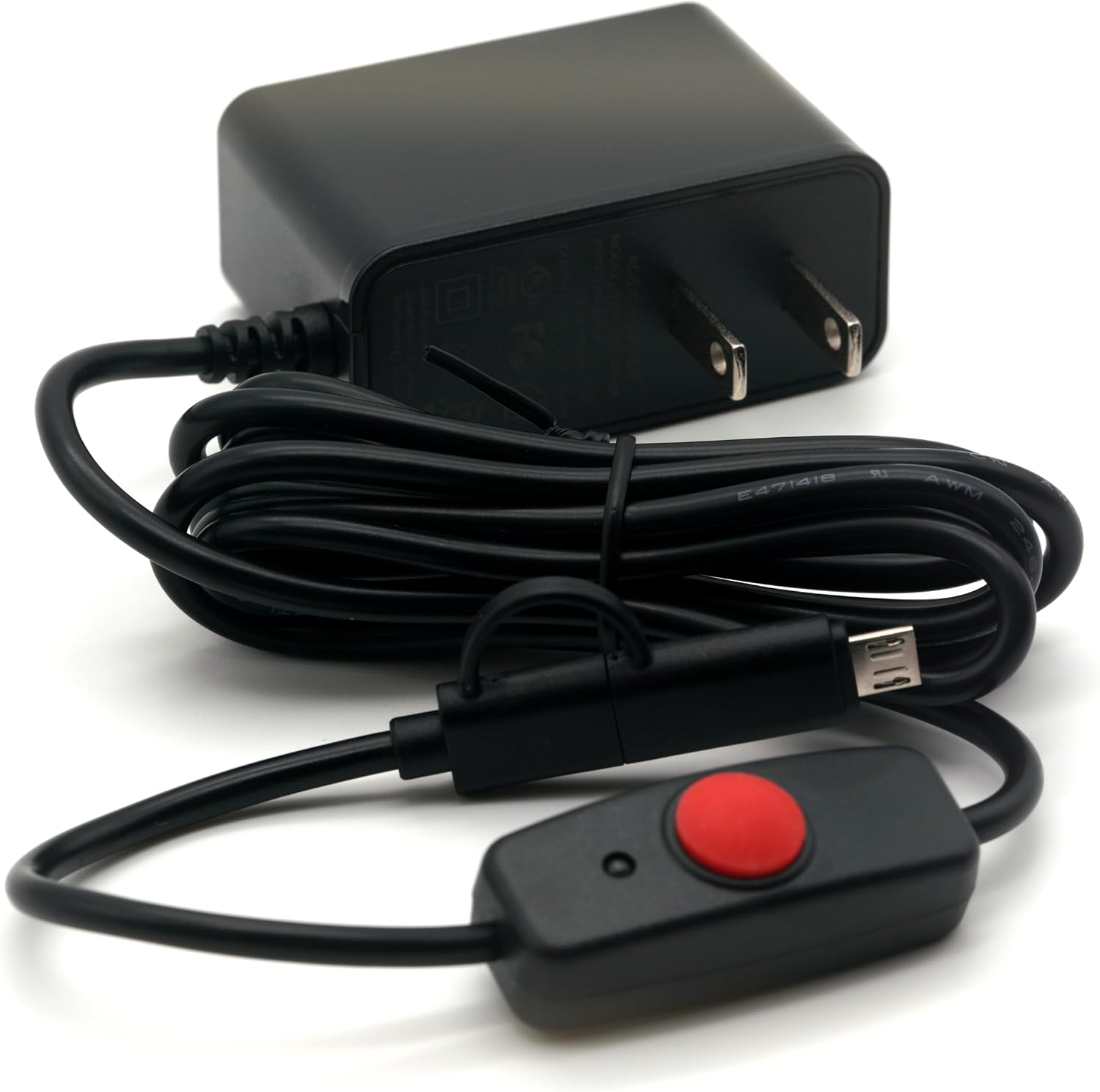
5V 3A · UL Listed
An adapter that drops off the USB bus, disappears after a few minutes or runs slow is usually being browned out rather than failing. USB 2.0 budgets a port 500 mA, and both adapters are designed to stay inside that — but only if the board itself is being fed 5 V under load.
If a board reboots at random or the adapter never enumerates, check the supply and the cable gauge before suspecting the radio.
No installer, no vendor daemon, no module to rebuild after every kernel upgrade.
Both adapters sit on the kernel's mac80211 and
cfg80211 frameworks, so NetworkManager, iw,
wpa_supplicant and everything else that speaks to
in-kernel wireless treats them as ordinary devices. AP mode and
monitor mode both work.
WPA3 SAE is supported alongside 802.1X access control — worth having, since WPA2 passwords no longer survive a determined offline attack.
Stack
mac80211 / cfg80211
Security
WPA3 SAE · 802.1X
Modes
station · AP · monitor
Also runs on
Windows